

Choosing the Best Roofing System for your Home: A Comprehensive Guide
When it comes to protecting your property, the roof is your first line of defense against the elements. Whether you are looking for a commercial flat roof solution or a high-end residential upgrade in Southeast Pennsylvania, understanding the different types of roofing systems is essential. At Peak Construction Group LLC, we specialize in a wide range of materials and installation techniques to ensure your home or business stays dry and secure.
Below is an overview of the most popular roofing systems, their installation processes, and what you can expect in terms of longevity and performance.
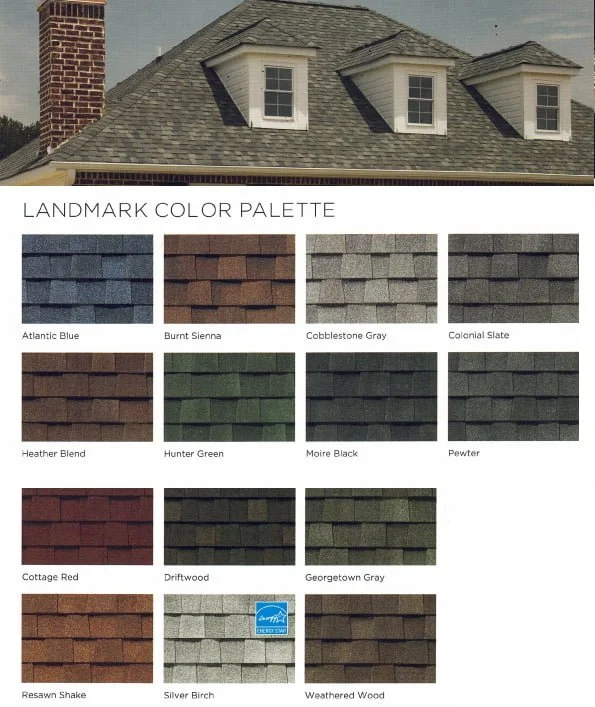
1. Asphalt Shingle Roofing
Asphalt shingles are the most common residential roofing material due to their versatility and cost-effectiveness.
Installation: The process involves a complete tear-off of old materials down to the deck, followed by the installation of drip edges, ice and water shields in valleys, and synthetic underlayment. Shingles are then applied in courses, starting from the eaves and working up to the ridge.
Benefits: Wide variety of colors, high curb appeal, and reliable weather protection.
Lifespan: Typically 20 to 50 years, depending on the type and manufacturer.
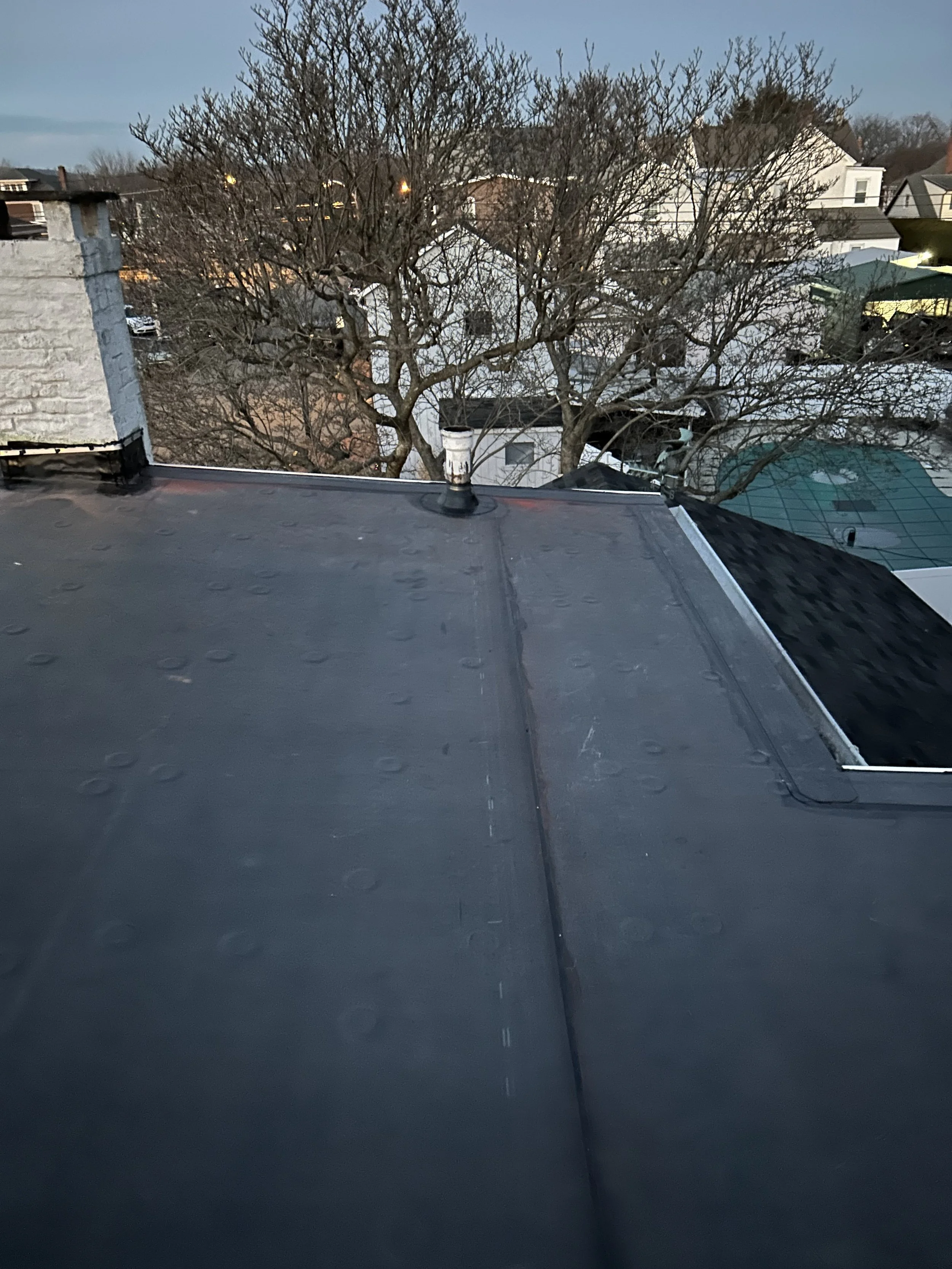
2. EPDM (Rubber) Roofing
Ethylene Propylene Diene Terpolymer (EPDM) is a durable synthetic rubber membrane frequently used for flat or low-slope roofs.
Installation: The large rubber sheets are rolled out over the clean roof deck and can be mechanically fastened, ballasted with stone, or fully adhered using high-strength adhesives.
Benefits: Excellent resistance to UV radiation, thermal shock, and extreme temperatures. It is also relatively easy to repair.
Lifespan: 20 to 30 years.
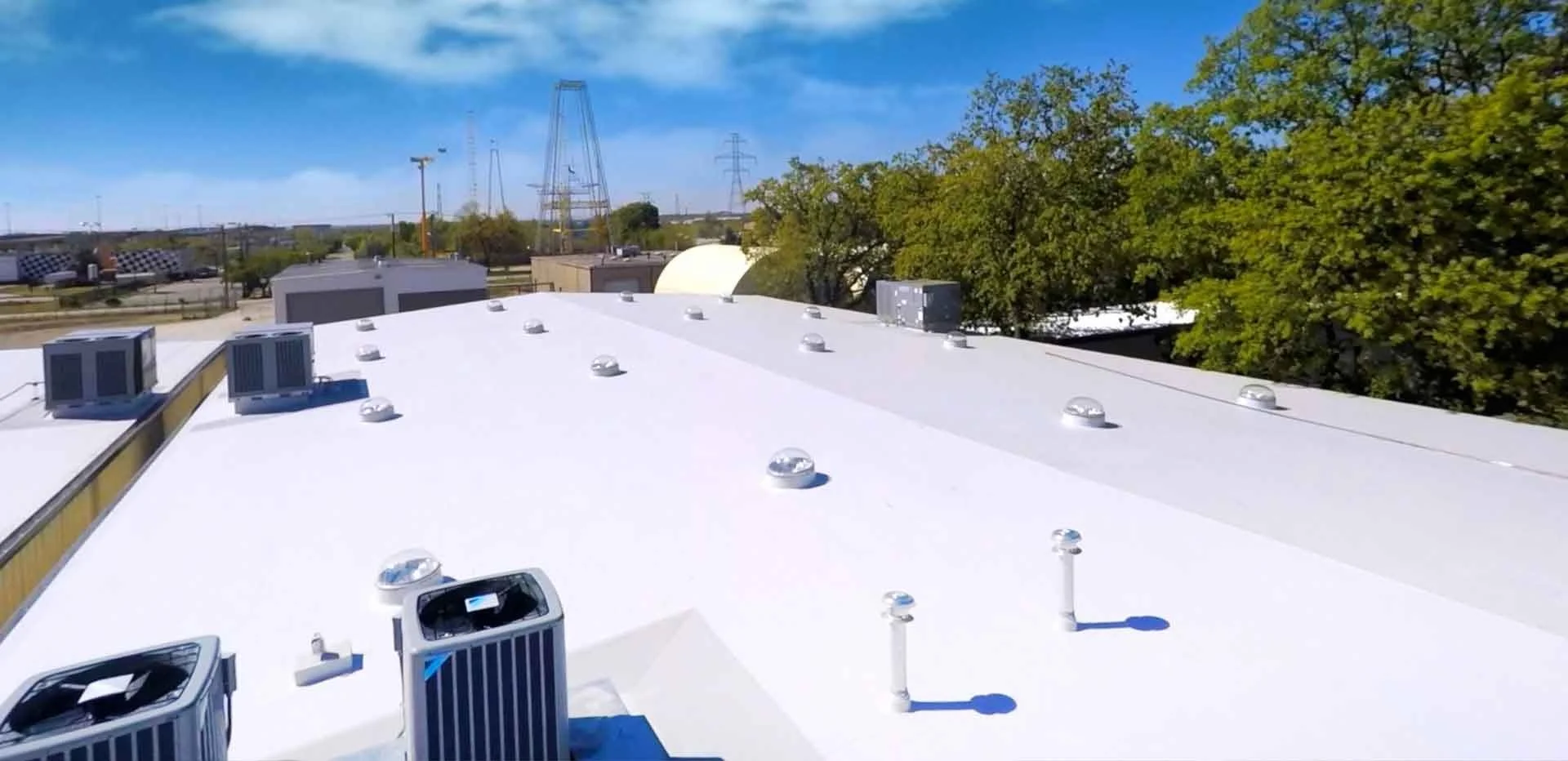
3. TPO (Thermoplastic Polyolefin)
TPO is a single-ply reflective roofing membrane that is highly popular for commercial properties looking for energy efficiency.
Installation: TPO sheets are usually mechanically fastened or fully adhered. The seams are then heat-welded together using a hot-air gun to create a monolithic, waterproof barrier.
Benefits: Naturally reflective white surface helps lower cooling costs (Energy Star rated) and is highly resistant to mold and chemical buildup.
Lifespan: 15 to 25 years.
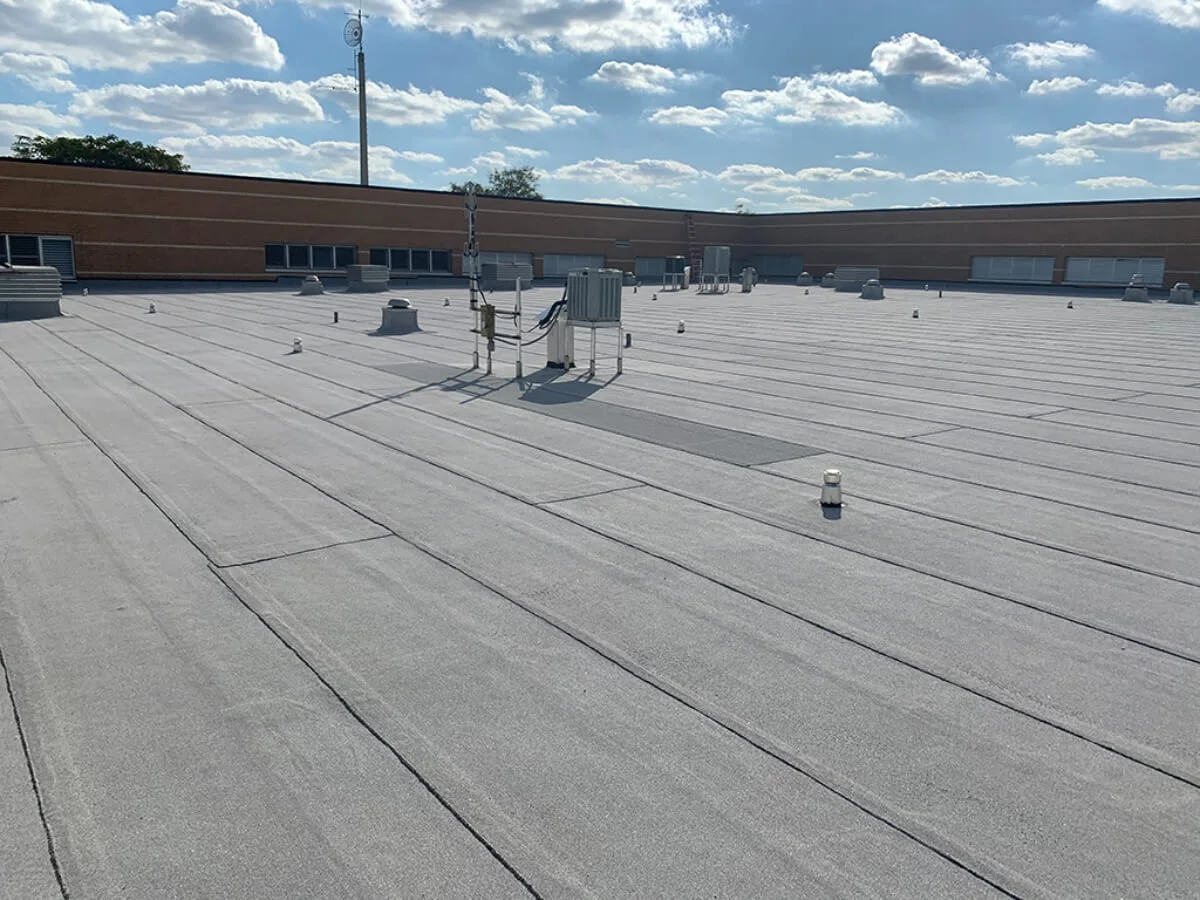
4. Modified Bitumen
Modified Bitumen is an evolution of built-up roofing (BUR), consisting of asphalt-based sheets reinforced with polyester or fiberglass.
Installation: Applied in multiple layers, often using a "torch-down" method where the underside is heated to melt the asphalt and create a seal, or via cold-applied adhesives.
Benefits: Superior tear resistance and durability in high-traffic areas or regions with heavy snowfall.
Lifespan: 20 years.
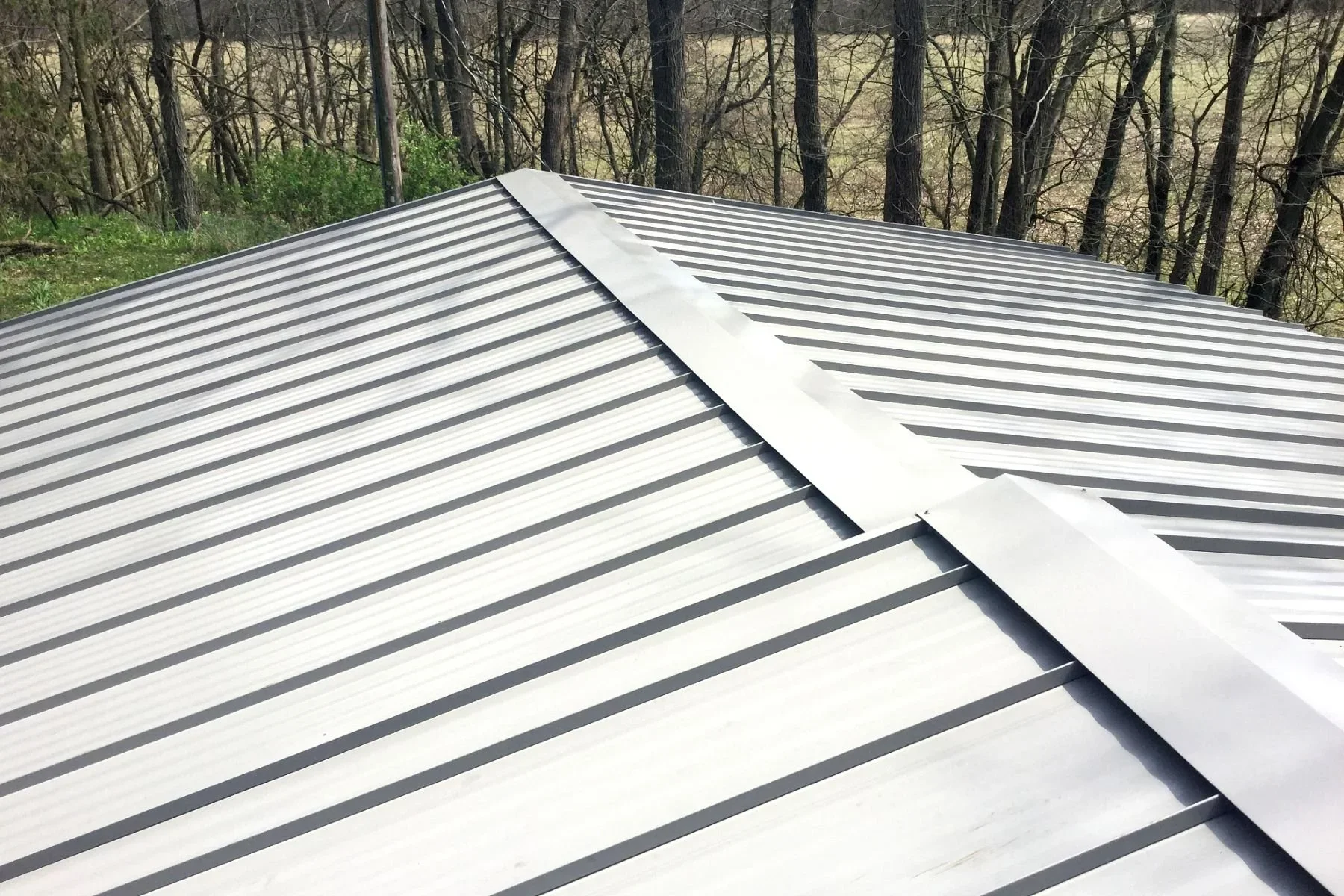
5. Metal Standing Seam Roofing
For those seeking the ultimate in durability and a modern aesthetic, metal roofing is a premier choice.
Installation: Metal panels are installed with vertical ribs. In a "standing seam" system, the fasteners are concealed beneath the panels, which are joined together at the ribs to prevent leaks.
Benefits: Fire-resistant, highly wind-resistant, and requires very little maintenance.
Lifespan: 50+ years.
6. Natural Slate Roofing
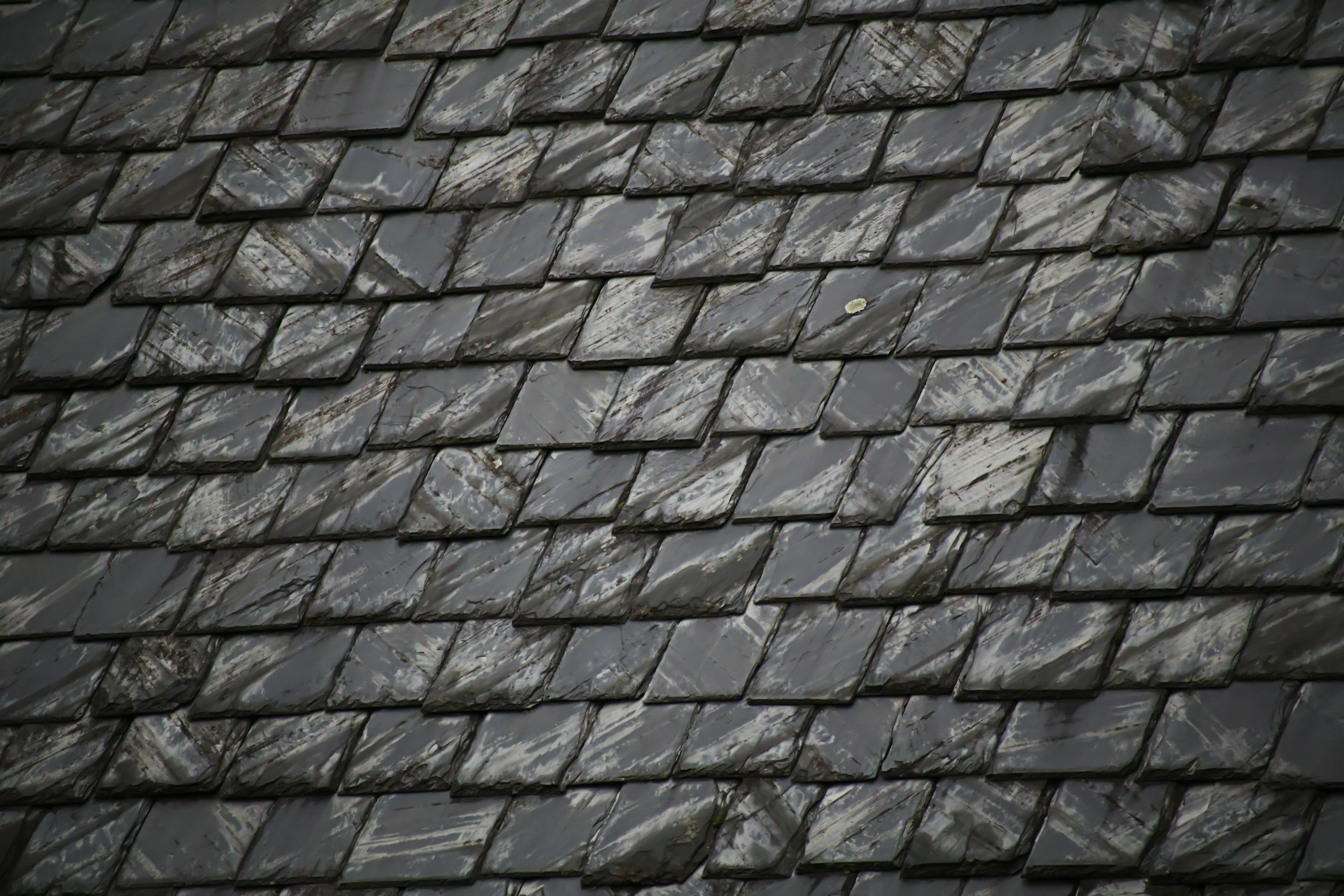
Slate is a luxury roofing material that provides a timeless, classic look often found on historic homes.
Installation: Individual slate tiles are hand-installed over a heavy-duty underlayment. Because of the weight, the roof structure must often be reinforced to handle the load.
Benefits: Completely fireproof, environmentally friendly (natural stone), and unmatched in beauty.
Lifespan: 75 to 100+ years.
7. Cedar Shake Roofing
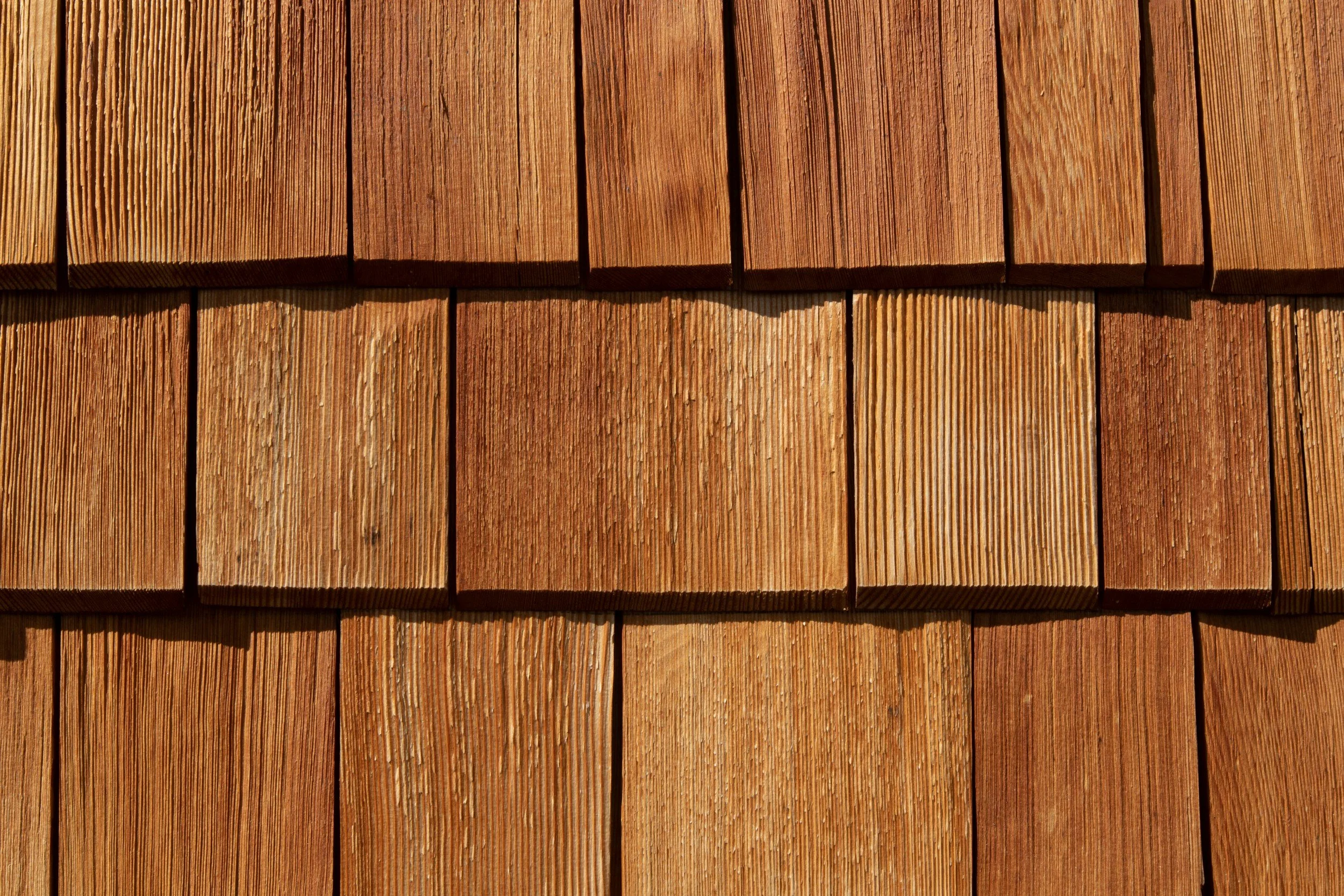
Cedar shakes offer a rustic, natural appearance that transitions beautifully over time.
Installation: Cedar shakes are installed with a layer of felt paper between each course (inter-shaking) to provide extra moisture protection while allowing the wood to "breathe."
Benefits: Natural insulation properties and high resistance to wind and impact.
Lifespan: 30 to 40 years with proper maintenance.
8. Davinci Synthetic Roof Tiles
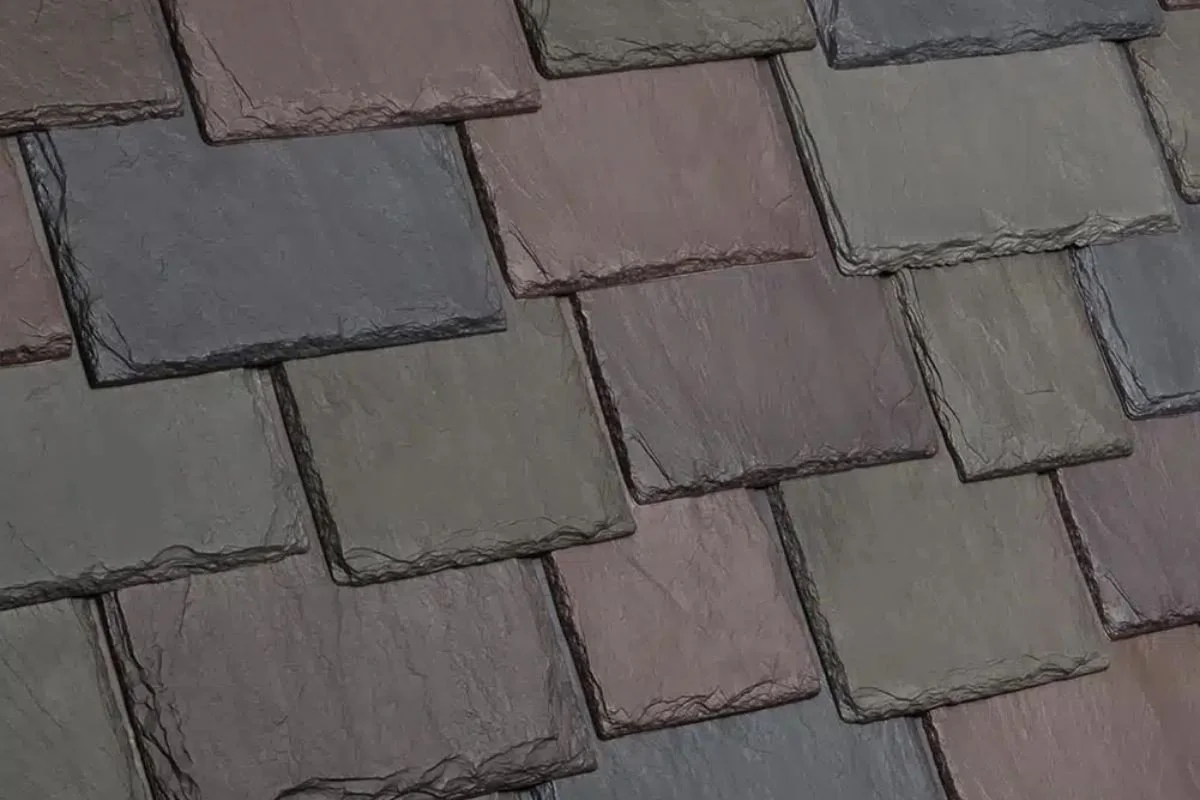
DaVinci synthetic roof tiles are a high-performance alternative to natural slate and cedar shake, offering the same aesthetic appeal without the associated maintenance and weight.
Installation: The tiles are lightweight and installed using standard roofing techniques over a solid roof deck, similar to natural tiles. They are easy to cut and handle, eliminating the need for structural reinforcement often required for heavy materials like natural slate.
Benefits: Class A fire rating and Class 4 impact resistance for superior protection. They are highly resistant to fading, cracking, and insect damage, and are made from virgin resins, UV, and thermal stabilizers.
Lifespan: Typically 50 years or more, backed by a lifetime limited warranty.
9. Acrylab Roof System
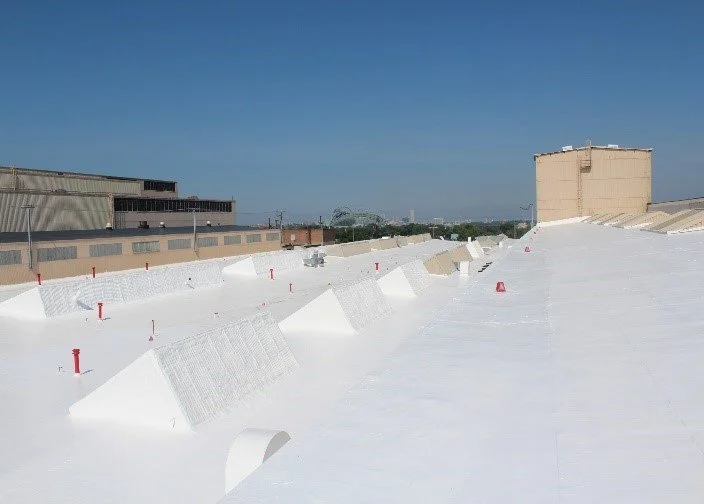
The Acrylab Roof System is a fluid applied membrane that can be applied over EPDM, Asphalt (BUR), Metal, Concrete, Wood, Modified Bitumen, PUF, Fiberglass, and single-ply membranes.
Installation: system involves applying a base coat and embedding a reinforcing mesh into it. Once the base coat dries two more top coats are applied to build up the necessary thickness.
Benefits: This system helps lower the cost of a new roof by eliminating tear off cost and landfill waste. It is very versatile and works well in areas of complex flashing.
Lifespan: This system comes with a 10 year renewable warranty. After 10 years an inspection occurs and another top coat is applied and the warranty is renewed for 5 years and its renewable for life every 5 years.
If you are unsure which system is right for your property, contact us today at (610) 850-4043. We offer professional roof inspections to assess your current roof surface, attic ventilation, and flashing integrity to help you make an informed decision
Call or text us at (610) 850-4043 to schedule your detailed assessment.
Email - Toml@peakconstructiogroupllc.com